



This is an extremely unrealistic and overly simplified argument.
Let's say a farmer rears the chickens, and then sells them to a wholesaler who on-sells to a retailer, or the farmer otherwise supplies directly to the retailer. You have an impact on the retailer side, not the farmer side. Thus, you would be reducing the revenue of the store by one chickens worth. Alternatively, you are increasing the stores waste by 1 chicken. The retailer is unlikely to sell every single chicken it purchases. Some chickens will be stolen, some chickens will be of poor quality, some chickens will sit on the shelf and exceed their use-by date, and be trashed. You not purchasing one chicken is highly unlikely to exert a 1/1000 chance of reducing the rearing of 1000 chickens.
Let us say your store purchases 10000 chickens per week for consumers. It allocates 4% of those chickens to waste/theft. That means it expects to sell 9,600 chickens. Let us assume it purchases each of these chickens for $10, and sells them for $20, with operating expenses of $5. In total, a 25% margin.
Lets assume the 2% of chickens allocated to waste/theft didn't form part of the operating expenses. The maximum revenue the store could get from those chickens is $200,000/week, with a $50,000 profit on 25% margin. Only expecting to sell 9,600 chickens however, its real revenue is reduced to $192,000, with a profit of $48,000.
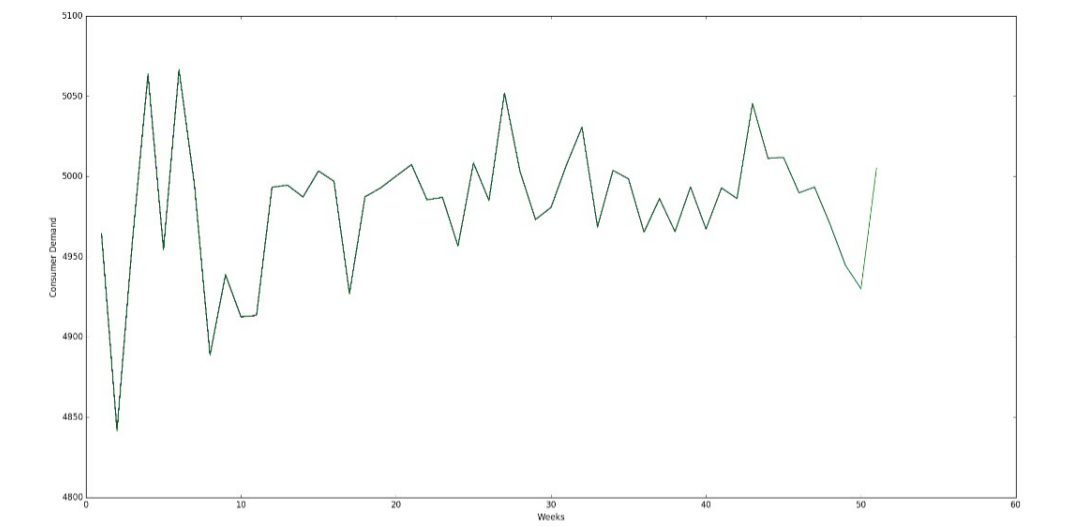
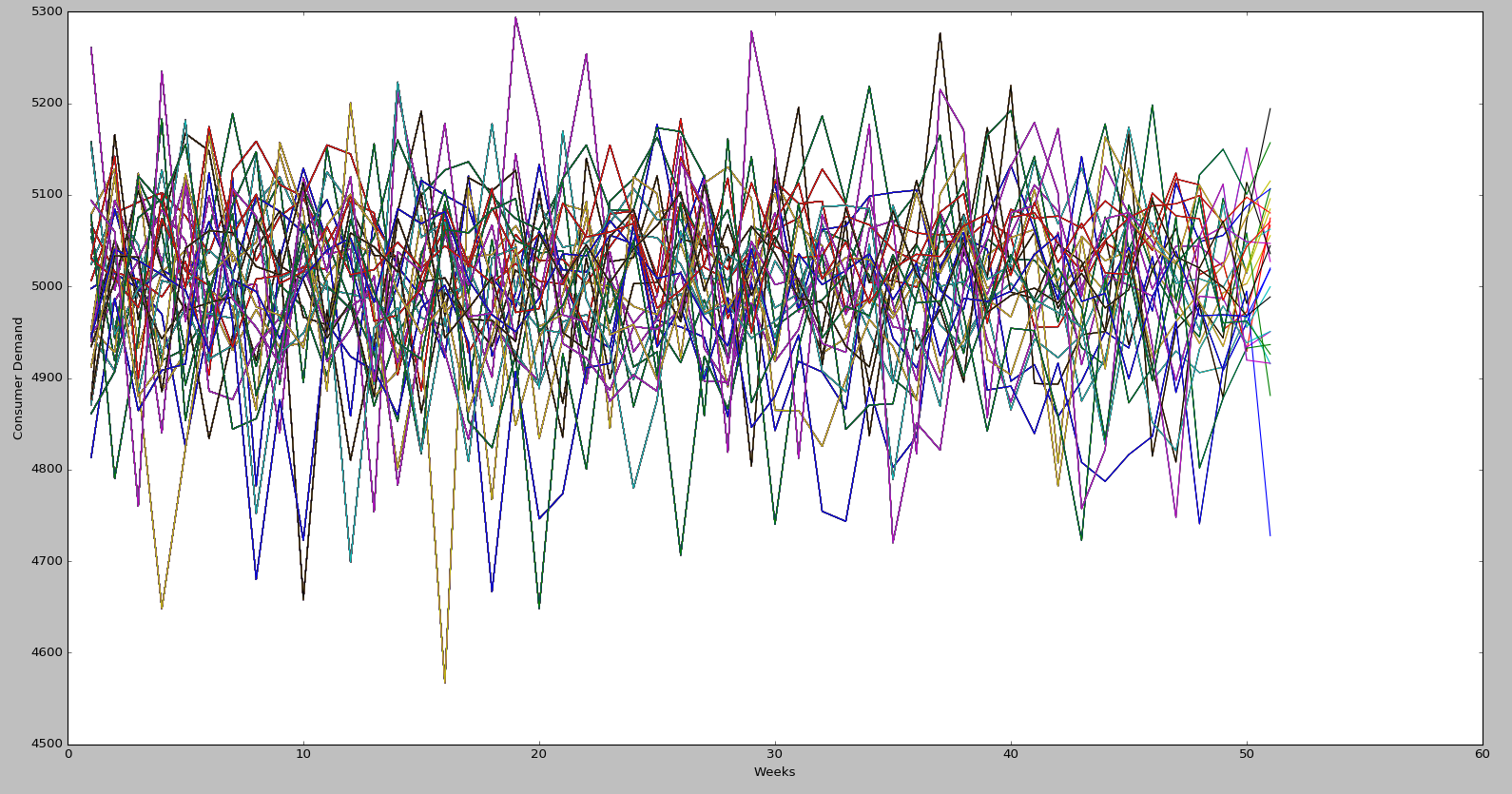
Let us assume that the 4% of figure changes slightly from week to week (sometimes there may be more waste/theft, and sometimes less). Let us assume a normal distribution, with 9,600 chickens sold per week being the mean with a SD of 50 chickens. I will run some analysis of what 10 weeks of revenues/net profits are for this store, and to summarise the parameters:
Mean: 9,600
SD: 50

Now, tell me how you think you no longer buying 1 chicken a week is going to be detected by the store when the range of chickens they sold was 97 (Week 10 - Week 1). Your protest falls within their expected variance. It is an immaterial difference. Even if it did make a difference, all the store would do was buy less chickens from the wholesaler/farmer. It does not follow automatically that from a reduced order from one store (of thousands) that therefore the farmer will necessarily cut the supply of chickens (because the farmer would have a natural variance too).
I agree that every one counts, and that if thousands of people protested a small difference may be made, but to say that every individual has a 1/1000 chance of affecting chicken production rates is a huge oversimplification and ignores the complexities of reality. Even my brief analysis was an oversimplificaiton.
Notes: In hindsight probably only very large stores would sell 10,000 chickens/week. Nevertheless, it makes no difference how many chickens the store sells, since ultimately they demand chickens from the farmer, and if the store sells fewew chickens, they demand fewew chickens from the farmer, so even if you make a proportionally greater difference in a smaller store, that smaller store wields proportionally less buying power than a large store. This also ignores retailers vertically integrated with primary producers. Also, the market is not perfectly efficient.
So, I'll absolutely agree that my example was extremely over simplified. I'll also agree that the market is not perfectly efficient, which can't be helped.
However, if somebody, somehow, with perfect economic data and perfect knowledge about everybody's buying patterns was able to quantify the likelihood of my wallet affecting the local, regional, or national chicken supply: The more unlikely my individual purchase is to effect change (as your example shows it is), the more significant an impact it has. If my purchase is the swinging point for a large supermarket corporation to scale its chicken farming down by 1 unit for the next quarter, for a certain region, then that has a tremendous overall impact.
(also apologies if I only respond occasionally, I travel a great deal for work)
Last edited:








 I told Shredder I agree with his math like 8 times, but putting up equations doesn't automatically mean anything towards finding out what is the truth unless they are the right equations that consider all the real life variables.