




Welcome to my third guide, part 1 of 2 in a series, a Beginner's Guide To Guitar. This guide will be covering the parts of a guitar, electric and acoustic, how to use/set-up a amp and some basic chords.
Parts Of An Acoustic Guitar:

Source: http://www.vassberg.net/acousticguitar/labeled.gif
What They're Used For:
1. Body - The body of an acoustic guitar is used to amplify the sound of it being played and put the whole guitar together.
2. Neck - The neck of the guitar has the frets, which are used to make sound.
3. Headstock - The headstock has the tuning pegs on it, which are used to tune the guitar's strings to make it sound better. It also usually has the guitar's brand name on it.
4. Tuning Pegs - The tuning pegs, located on the headstock are used to tune the guitar's strings to make it osund better.
5. Fretboard - The fretboard has the inlays and frets on it and is what you press the string onto to make the guitar sound good.
6. Frets - The frets tell you where you press the string down onto the fretboard to play that fret number. You usually press the string onto the fretboard difectly in front of the fret.
7. Inlays - The inlays are on the fretboard to show you what number fret it is. they are located on the 3rd, 5th, 7th, 9th, 12th, 15,th and 17th fret.
8. Nut - The nut is on the guitar to keep the neck straight. most guitars come with a tool to adjust it.
9. Heel - The heel's purpose is to support the guitar's neck.
10. Soundhole - the soundhole's purpose is that it acts as an amplifier so you don't have to plug the guitar into an amp, unlike electric guitars.
11. Pickguard - The pickguard is used to protect the guitar's body from scratches from the guitar pick hitting it.
12. Saddle - The saddle is used to keep the strings in place.
13. Bridge - The bridge is where the strings stay connected to.
Parts Of An Electric Guitar:

Source: http://beginner-guitarlessons.com/wp-content/uploads/2009/04/electric_guitar_parts1.jpg
What They're Used For:
1. Bridge - The bridge is used to hold the strings in place and also the whammy bar if the guitar has one.
2. Volume And Tone Knobs The volume knob(s) are used to turn up or down the volume, same as the tone knobs but they're used for adjusting the tone.
3. Bridge Pick-Up - The pick-ups are used to make the sound louder.
4. Pick-up Selector - The pick-up selector is used to pick which pickup to use.
5. Whammy Bar - The whammy bar is used to make the guitar sound different, it's considered an effect.
6. Neck Pick-Up - The pick-ups are used to make the sound louder.
7. Guitar Body - The guitar body is used for supporting the neck, and all around style.
8. Strap Buttons - The strap buttons are for the guitar strap to be connected to.
9. Neck/Fretboard - The neck is used to press the string onto the fretboard to create notes.
10. Frets The frets are indicators where to press the strong down to play a certain note. you usually press the string down directly before the fret.
11. Inlays - The inlays are on the fretboard to show you what number fret it is. they are located on the 3rd, 5th, 7th, 9th, 12th, 15th, 17th, 19th, and 21st fret.
12. Locking Nuts - The locking nuts are used to keep the neck straight, most guitars come with a tool to adjust them.
13. Tuning Pegs - The tuning pegs are used to tune the strings to make the guitar sound good.
14. Headstock - The headstock is where the tuning pegs are and usually also had the guitar's brand name on it.
Tuning Your Guitar
There are several ways to tune a guitar, but I highly recommend beginners buy a cheap electric tuner from their local music store. To tune a guitar with a electric tuner you simply start at your top string (Low E) and pluck it. On your tuner it should say E and you'll see a meter. Adjust your tuning peg for that string until the meter is in the middle. Now repeat this for every string until finished.
Strings On A Guitar
On a regular electric/acoustic guitar, there are 6 strings. The strings from low to high (thick to thin) are the following:
E (Low)
A
D
G
B
E (High)
Basic Electric/Acoustic Guitar Chords
Here are some beginner guitar chords.
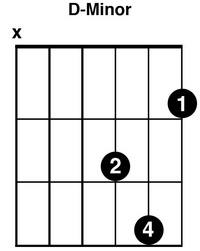
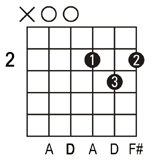
An x means do not play that string.
C (The Capital E Is Low E.)

Source: http://www.pengustudios.com/Images/Chord Shapes/C-Chord-Shape.gif
G

Source: http://leagueofguitarists.com/images/G ch.gif
Dm (D Minor)
Source: http://www.start-playing-guitar.com/image-files/dminor.jpg
Dmaj (D Major)

Source: http://sevenseven.nl/images/22.jpg
D
Source: http://www.how-to-play-guitar.eu/guitar_chords/D/D_Guitar_Chord.gif
Thanks for reading my guide, Please stay tuned for part 2! check out my UE application for my other guides.
Parts Of An Acoustic Guitar:
Source: http://www.vassberg.net/acousticguitar/labeled.gif
What They're Used For:
1. Body - The body of an acoustic guitar is used to amplify the sound of it being played and put the whole guitar together.
2. Neck - The neck of the guitar has the frets, which are used to make sound.
3. Headstock - The headstock has the tuning pegs on it, which are used to tune the guitar's strings to make it sound better. It also usually has the guitar's brand name on it.
4. Tuning Pegs - The tuning pegs, located on the headstock are used to tune the guitar's strings to make it osund better.
5. Fretboard - The fretboard has the inlays and frets on it and is what you press the string onto to make the guitar sound good.
6. Frets - The frets tell you where you press the string down onto the fretboard to play that fret number. You usually press the string onto the fretboard difectly in front of the fret.
7. Inlays - The inlays are on the fretboard to show you what number fret it is. they are located on the 3rd, 5th, 7th, 9th, 12th, 15,th and 17th fret.
8. Nut - The nut is on the guitar to keep the neck straight. most guitars come with a tool to adjust it.
9. Heel - The heel's purpose is to support the guitar's neck.
10. Soundhole - the soundhole's purpose is that it acts as an amplifier so you don't have to plug the guitar into an amp, unlike electric guitars.
11. Pickguard - The pickguard is used to protect the guitar's body from scratches from the guitar pick hitting it.
12. Saddle - The saddle is used to keep the strings in place.
13. Bridge - The bridge is where the strings stay connected to.
Parts Of An Electric Guitar:
Source: http://beginner-guitarlessons.com/wp-content/uploads/2009/04/electric_guitar_parts1.jpg
What They're Used For:
1. Bridge - The bridge is used to hold the strings in place and also the whammy bar if the guitar has one.
2. Volume And Tone Knobs The volume knob(s) are used to turn up or down the volume, same as the tone knobs but they're used for adjusting the tone.
3. Bridge Pick-Up - The pick-ups are used to make the sound louder.
4. Pick-up Selector - The pick-up selector is used to pick which pickup to use.
5. Whammy Bar - The whammy bar is used to make the guitar sound different, it's considered an effect.
6. Neck Pick-Up - The pick-ups are used to make the sound louder.
7. Guitar Body - The guitar body is used for supporting the neck, and all around style.
8. Strap Buttons - The strap buttons are for the guitar strap to be connected to.
9. Neck/Fretboard - The neck is used to press the string onto the fretboard to create notes.
10. Frets The frets are indicators where to press the strong down to play a certain note. you usually press the string down directly before the fret.
11. Inlays - The inlays are on the fretboard to show you what number fret it is. they are located on the 3rd, 5th, 7th, 9th, 12th, 15th, 17th, 19th, and 21st fret.
12. Locking Nuts - The locking nuts are used to keep the neck straight, most guitars come with a tool to adjust them.
13. Tuning Pegs - The tuning pegs are used to tune the strings to make the guitar sound good.
14. Headstock - The headstock is where the tuning pegs are and usually also had the guitar's brand name on it.
Tuning Your Guitar
There are several ways to tune a guitar, but I highly recommend beginners buy a cheap electric tuner from their local music store. To tune a guitar with a electric tuner you simply start at your top string (Low E) and pluck it. On your tuner it should say E and you'll see a meter. Adjust your tuning peg for that string until the meter is in the middle. Now repeat this for every string until finished.
Strings On A Guitar
On a regular electric/acoustic guitar, there are 6 strings. The strings from low to high (thick to thin) are the following:
E (Low)
A
D
G
B
E (High)
Basic Electric/Acoustic Guitar Chords
Here are some beginner guitar chords.
An x means do not play that string.
C (The Capital E Is Low E.)
Source: http://www.pengustudios.com/Images/Chord Shapes/C-Chord-Shape.gif
G
Source: http://leagueofguitarists.com/images/G ch.gif
Dm (D Minor)
Source: http://www.start-playing-guitar.com/image-files/dminor.jpg
Dmaj (D Major)
Source: http://sevenseven.nl/images/22.jpg
D
Source: http://www.how-to-play-guitar.eu/guitar_chords/D/D_Guitar_Chord.gif
Thanks for reading my guide, Please stay tuned for part 2! check out my UE application for my other guides.


