1.
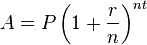
Michael invested $1000 per half-year in an IRA each half-year for 8 years earning 11% compounded semi-annually.
At the end of 8 years he ceased the IRA payments, but continued to invest his accumulated amount at 12% compounded yearly for the next 6 years.
a) What was the value of his IRA at the end of 8 years?
b) What was the value of the investment at the end of the next 6 years?
2.
(1 pt) Mike and Janet would like to have $22000 for a down payment on a house. Their budget only allows them to save $331.83 per month. How many years will it take them to save up the desired amount of $22000? Here we assume that their saving account will pay 4% compounded monthly.
3.
(1 pt) A company borrows $160000, which will be paid back to the lender in one payment at the end of 6 years. The company agrees to pay yearly interest payments at the nominal annual rate of 7% compounded yearly. At the same time the company sets up a sinking fund in order to repay the loan at the end of 6 years. The sinking fund pays interest at an annual nominal interest rate of 15% compounded yearly. Find the total amount of the yearly payments, that is, the sum of the interest payment and the sinking fund payment.