Sitono
Active Member
- Joined
- Aug 9, 2008
- Sythe Gold
- 0
- Messages
- 228
Okay in this guide i teach you about Basic Circuit board symbols and details.
Symbols Used in Circuit Diagrams:

Connected Wire

Crossing Wires (not connected)

LED

Battery

Switch

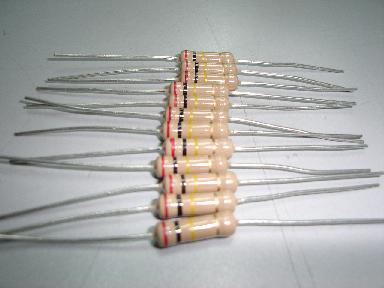
Resitor

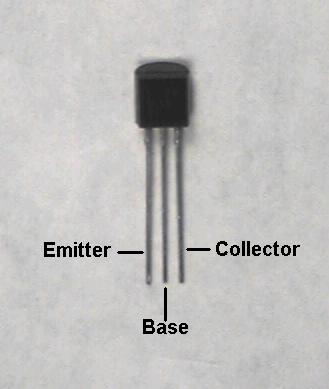
Transistor

Electrolytic Capacitor
Hes a few Definitions:
(Sorry about the images and how big they are but the images corresponding to the definition is above the definition.)
Battery:A device that changes energy into electrical energy, Batteries come in many sizes and shapes that suply diffrent amounts of energy.

Blinking LED:A special kind of light-emitting diode that blinks.
Circuit:A path that electric current can flow on.
Conduct:To transmit, or send, electrical energy.
Connection:The attachment of two or more things that conduct electricity so electricity can flow from one to the other(s).

Contact:A point where two pieces of metal touch so electric current can flow from one to the other. Plastic, paper, glue and paint can stop electricity from flowing trough a contact.
Electric current:The flow of electricity.
Electrolytic Capacitor:A component that stores a small amount of electric charge and releases this electricity at a later time at a controlled rate, like a small rechargeble battery.

Gauge:The ticness of a wire. The gouge number measures the diameter of the wire.
Insulation:The plastic covering on wires.

Key:A guide for encoding and decoding secret messages.
Keyword:An important word to use in an internet search.
LED: A light-emitting diode.

Mechanism:A group of parts that act like a machine.
Motor:A machine that charges electrical energy into mechanical energy.
Power:Energy to do work.
Resistor:A device that cuts down the electrical power that flows trough a system.
Speaker Wire:Is like a double wire. It's made of two wires that are attached side by side. Its plastic covering joins the wires together, but the metal of the two wires does not touch.

Switch:An electric device that turns something on or off.

Terminal:A please or wire on a device such as a bettery, buzzer, or lightbulb where an electrical connection is made or broken or the device can get or give power. Sometimes terminals and termial wires are called contact points or connections. They're usually maked positive [+] ir negatuve [-] to show how they should be connected.
Transistor: A component that regualates and changes the flow of electricity through a circuit. When usuing a transistor, make sure you connect it according to instructions; a wrongly connected transistor can heat up and be damaged.
Volt: The unit used to measure the amount of electricity between tro terminals in a circuit.
Woah, after all that writing i feel like getting a hand spa... But lets not get off topic and I would love feedback since i spent alot of time on this and I'm allways willing to change that guide to improve it.
IMAGES SOURCE:
http://www.bmcdigital.co.uk/images/db/45fa76bd71c58_list.jpg
http://www.dkimages.com/discover/previews/786/303286.JPG
http://www.opamp-electronics.com/catalog/images/33uF_16V_Radial_Electrolytic_Capacitor_003054.gif
http://www.inspect-ny.com/aluminum/ALid16.jpg
http://media.maxim-ic.com/images/appnotes/1883/1883Fig04.gif
http://www.electronicrepairguide.com/four band resistor.jpg
http://www.t2retail.co.uk/newstore/Products/Product_Images/2781106.jpg
http://www.solarbotics.com/assets/images/swt2/swt2_pl.jpg
http://www-ece.rice.edu/~jdw/figs/2n3904b.jpg
Symbols Used in Circuit Diagrams:
Connected Wire
Crossing Wires (not connected)
LED
Battery
Switch
Resitor
Transistor
Electrolytic Capacitor
Hes a few Definitions:
(Sorry about the images and how big they are but the images corresponding to the definition is above the definition.)
Battery:A device that changes energy into electrical energy, Batteries come in many sizes and shapes that suply diffrent amounts of energy.
Blinking LED:A special kind of light-emitting diode that blinks.
Circuit:A path that electric current can flow on.
Conduct:To transmit, or send, electrical energy.
Connection:The attachment of two or more things that conduct electricity so electricity can flow from one to the other(s).
Contact:A point where two pieces of metal touch so electric current can flow from one to the other. Plastic, paper, glue and paint can stop electricity from flowing trough a contact.
Electric current:The flow of electricity.
Electrolytic Capacitor:A component that stores a small amount of electric charge and releases this electricity at a later time at a controlled rate, like a small rechargeble battery.
Gauge:The ticness of a wire. The gouge number measures the diameter of the wire.
Insulation:The plastic covering on wires.
Key:A guide for encoding and decoding secret messages.
Keyword:An important word to use in an internet search.
LED: A light-emitting diode.
Mechanism:A group of parts that act like a machine.
Motor:A machine that charges electrical energy into mechanical energy.
Power:Energy to do work.
Resistor:A device that cuts down the electrical power that flows trough a system.
Speaker Wire:Is like a double wire. It's made of two wires that are attached side by side. Its plastic covering joins the wires together, but the metal of the two wires does not touch.
Switch:An electric device that turns something on or off.
Terminal:A please or wire on a device such as a bettery, buzzer, or lightbulb where an electrical connection is made or broken or the device can get or give power. Sometimes terminals and termial wires are called contact points or connections. They're usually maked positive [+] ir negatuve [-] to show how they should be connected.
Transistor: A component that regualates and changes the flow of electricity through a circuit. When usuing a transistor, make sure you connect it according to instructions; a wrongly connected transistor can heat up and be damaged.
Volt: The unit used to measure the amount of electricity between tro terminals in a circuit.
Woah, after all that writing i feel like getting a hand spa... But lets not get off topic and I would love feedback since i spent alot of time on this and I'm allways willing to change that guide to improve it.
IMAGES SOURCE:
http://www.bmcdigital.co.uk/images/db/45fa76bd71c58_list.jpg
http://www.dkimages.com/discover/previews/786/303286.JPG
http://www.opamp-electronics.com/catalog/images/33uF_16V_Radial_Electrolytic_Capacitor_003054.gif
http://www.inspect-ny.com/aluminum/ALid16.jpg
http://media.maxim-ic.com/images/appnotes/1883/1883Fig04.gif
http://www.electronicrepairguide.com/four band resistor.jpg
http://www.t2retail.co.uk/newstore/Products/Product_Images/2781106.jpg
http://www.solarbotics.com/assets/images/swt2/swt2_pl.jpg
http://www-ece.rice.edu/~jdw/figs/2n3904b.jpg